Dr. Sundara Narayana Patro, Educationist.
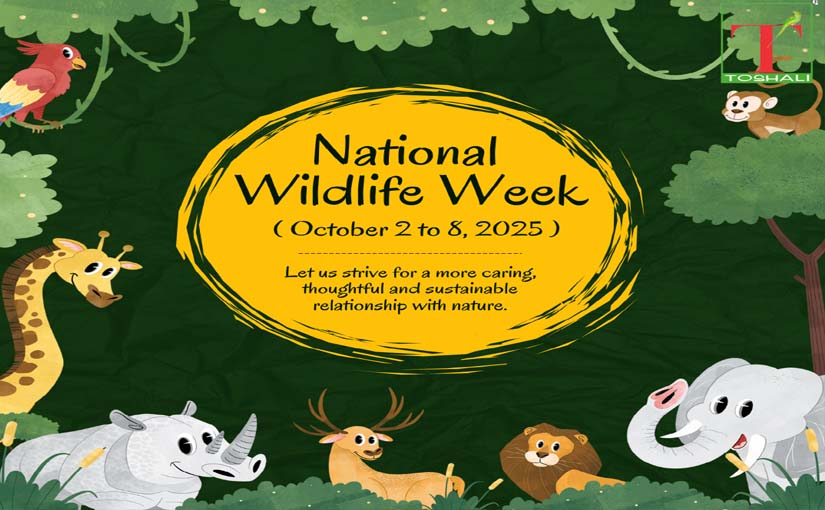
As “National Wildlife Week” is under celebration, from October 2 to 8, 2025, India gears to celebrate its diverse ecosystems and the vital importance of wildlife conservation. Mankind has been in coexistence with wildlife since time immemorial. The 2025 National Wildlife Week theme is “Sewa Parv”, emphasizing service and responsibility towards nature. The Indian Board of Wildlife established celebration of “Wildlife Day” in 1952 to raise awareness about the long-term goals of wildlife protection throughout the country. Initially, Wildlife Day was observed for a day, but it was later expanded and renamed Wildlife Week in 1957. India is home to a remarkable array of wildlife, with over 600 wildlife sanctuaries and 106 national parks. Odisha has 19 sanctuaries, 2 National parks (Bhitarakanika, Similipal-proposed). There are 18 biosphere reserves in India including one in the Similipal forest. These protected areas are critical not only for preserving species like the Royal Bengal tiger, Indian rhinoceros, elephants, snow leopard, etc but also for maintaining ecological balance. India is the land of tigers and elephants. With 3,682 tigers, India hosts about 75 per cent of global tiger population. Madhya Pradesh has the most tigers, followed by Karnataka, Uttarakhand, Maharashtra, Tamil Nadu, Assam, Kerala, Rajasthan, Odisha, and Chhattisgarh. Out of 55 tiger reserves in India Odisha has two, namely Similipal and Satkosia tiger reserves. Chilika, Bhitarakanika and many other wetlands and water bodies in Odisha are the sites that attract diverse bird species both the resident and migratory ones. The 482 km long Bay of Bengal coast in Odisha is home to crocodiles, dolphins, olive Ridley sea turtles, horse shoe crabs, fish, prawn, mangroves, etc. Odisha has all the 3 types of crocodiles namely Salt water crocodile or Baula kumbhir (Bhitarakanika), Fresh water crocodiles-Mugger or Gomuha kumbira (Mahanadi and other rivers, as well as water bodies), and Gharial or Ghadiala kumbhira or Thantia kumbhira (Mahanadi). Various national parks and sanctuaries host special events, including guided wildlife tours, photography contests, and educational workshops to foster appreciation for local ecosystems. These activities engage communities, schools, and organizations, encouraging participants to take an active role in wildlife conservation. As National Wildlife Week unfolds, educational institutions across the country do integrate wildlife conservation topics into their curricula. Schools, colleges, and NGOs conduct workshops, seminars, and nature trails, promoting awareness among students and local communities. “Educating the younger generation about wildlife is crucial for the future of conservation. They are the stewards of tomorrow and can make a significant impact.” Despite the progress made in wildlife protection, many species in India remain endangered due to habitat destruction, poaching, and climate change. The latest reports indicate that India harbours a significant number of threatened species, including the Asiatic lion, tiger and various vulture species. Experts warn that immediate action is necessary to mitigate these threats. “National Wildlife Week is a powerful reminder that we must all play a role in protecting our wildlife and habitats.” The Indian government has strengthened wildlife protection laws, such as the Wildlife Protection Act of 1972, and initiatives like Project Tiger and Project Elephant have shown promising results in stabilising populations of these iconic species. However, ongoing efforts are needed to combat illegal wildlife trade and habitat loss effectively. As National Wildlife Week 2025 approaches, it serves as a timely reminder of the intrinsic value of wildlife and the critical need for sustained efforts to protect it. By participating in this week’s events and adopting sustainable practices, individuals can contribute to preserving India’s rich biodiversity and the health of our planet. National Wildlife Week is not merely a celebration; it is a call to action for everyone to reflect on their relationship with nature and take meaningful steps toward its preservation. Let us embrace this week as an opportunity to honour the incredible wildlife that shares our planet and commit to safeguarding our natural heritage for generations to come. “When we save wildlife, we save ourselves.”


