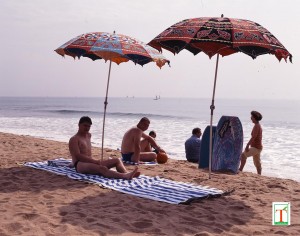
Eco-tourism means making as little environmental impact as possible and helping to sustain the indigenous populace, thereby encouraging the preservation of wildlife and habitats when visiting a place. This is a responsible form of tourism and tourism development. It is also the key to sustainable ecological development. The International Eco-tourism Society defines eco-tourism as “responsible travel to natural areas that conserves the environment and improves the well-being of local people.” You must – Minimize impact, Build environmental and cultural awareness, Provide positive experiences for both visitors and hosts, financial benefits for conservation and local people.
Today the “Green Laws” of conservation are making people aware of how man and the environment can live symbiotically it is the only way to maximize the economic, environmental and social benefits of tourism. In India too the movement is gathering momentum. Eco-Tourism in India is still at a very nascent stage, but there are for sure conscious efforts to save the fragile Himalayan Eco System and culture and heritage of the indigenous people. Holiday Camping vis a vis Hotel accommodation are gathering momentum in the Himalayan belt. Resorts tucked deep inside jungles of Karnataka, House-boats of Kerala, Tree Houses at Vythiri combine to make India one of the most diverse eco-tourism destinations on the planet.
These points taken care of will aid organisations involved in eco-tourism:
- Education -Three levels of education; how well the staff is educated, level of education the organization provides to local communities, and how well it informs guests about sustainable tourism practices and how to successfully practice themselves.
- Conservation and Preservation – This pertains to the level of conservation/ preservation activity in the environmental and cultural sectors. This category will determine the flow of visitors – ultimately..
- Sustainable Use of Resources – This category involves how well the resort utilizes, preserves and recycles resources, and the effective techniques they practice. This category will focus on water, waste and energy resources.
- Innovative/Creative Practices – Many are developing new approaches to conservation, education, marketing, and creative ways to sustainably use resources. This category focuses on these new approaches because they are direct factors contributing to successful ecotourism.
- Influence on Local Communities Economies – This category determines if the involvement of the organization with the surrounding communities brings new economic growth to the local community.
- Involving local human resources in the projects – This would ensure local support for the organisation and the activity both.
- Local and Global Recognition – This category determines to what extent the local and global familiarity the ecotourism organization.
- Marketing Practices – The way an organization market’s itself, will ultimately determine its survival/sustainability.
- Involvement of Local People – This is about community participation. Say a stay in a village to experience ethnic life and functions first hand – lets say a stay at the lantern lit hut of a former Naga headhunter or a trip to Jatinga bird sanctuary to witness the eerie phenomenon of hundreds of birds flying to their death on foggy, windy, moonless nights during August to October. For there cord the only similar phenomena exists in the Phillipines.
We look forward to your conversation and comments on it, to make Eco Tourism a success in Incredible India
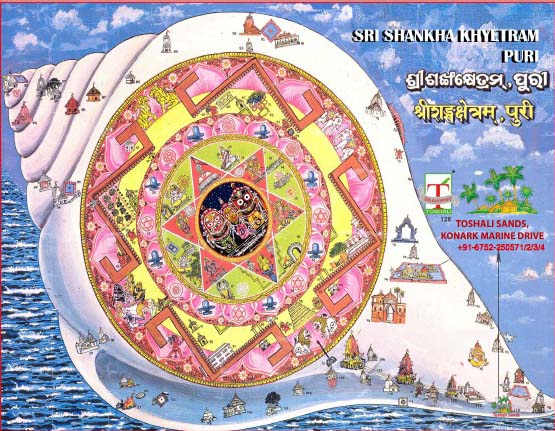

 canine tooth was retrieved from the funeral pyre by Arahat Khema. Khema then gave it to King Brahmadatte for veneration. It became a royal possession in Brahmadatte’s country and was kept in the city of Dantapuri (present day Puri in Orissa).
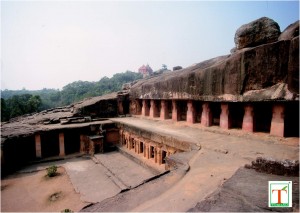
 Myth says that Emperor Ashoka – distraught with the bloodshed at the Kalinga war met with Upagupta near the sleepy village of Toshali on the banks of river Daya – from here comes the name of the “Toshali Resorts” !! Probably. Archaeological findings abounds around the place – one even in a close proximity to the Konark temple.

 This is our land where everything is different but similar – separated but connected. Someday i hope to write about followers of Islam who enriched the tradition of Lord Jagannath and a king who ruled in his name.